

Why Using Faces in Branding Is More Important Than Ever

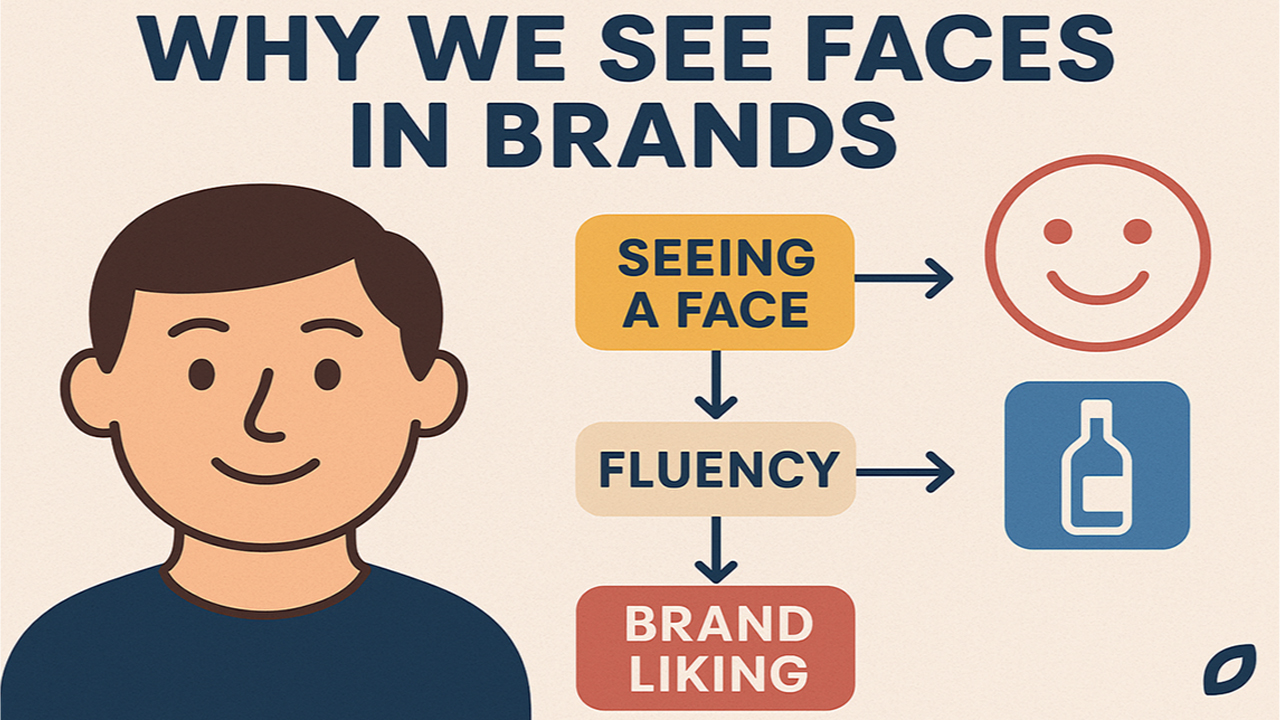
In a world of infinite scroll and fleeting attention spans, one thing still stops people in their tracks: another human face. Whether it's a founder's headshot on a homepage, a smiling customer in a testimonial, or a doctor on a clinic's landing page — faces communicate something that no logo, tagline, or color palette can. They say there's a real person here. And in an era of growing skepticism toward brands, that signal matters more than ever.
The Enduring Power of a Face in Marketing
The science behind human face recognition
Humans are hardwired to notice faces. The brain has a dedicated region — the fusiform face area — that processes facial features faster than almost any other visual stimulus. Within milliseconds of seeing a face, we assess age, emotion, trustworthiness, and intent. This isn't a learned behavior; it's biological. Brands that put faces front and center are tapping directly into this neural shortcut.
Emotional connection and trust-building
Faces convey emotion in ways that abstract visuals simply can't. A warm smile activates empathy. Confident eye contact signals credibility. Approachable body language lowers a visitor's guard. When a prospective customer lands on your website or ad, a human face begins the emotional negotiation instantly — before a single word is read.
First impressions and brand personality
Your brand's personality isn't fully captured in your typeface or brand colors. It's expressed through the people who represent it. A startup founder photographed casually in their workspace says something very different from a suited professional in a corporate headshot — and both can be exactly right, depending on the brand. Faces don't just convey trust; they set tone.
The Psychological Impact of Faces in Advertising and Branding
Facial cues and consumer decision-making
Studies in consumer psychology consistently show that images of faces increase time-on-page, click-through rates, and conversion. When a face appears near a call-to-action, users are more likely to act. When a face is gazing toward a piece of content, readers follow the gaze. These aren't design tricks — they're reflections of deep psychological patterns.
How eye contact increases engagement
Direct eye contact in photography creates a sense of personal address. The viewer feels seen and spoken to, not broadcast at. This is why testimonial photos with direct-facing portraits outperform generic stock images — the psychological transaction feels real.
The role of microexpressions in brand perception
Even subtle facial expressions shape how audiences perceive a brand. A slightly forced smile can feel inauthentic. A genuine, relaxed expression builds warmth. Audiences pick up on these cues unconsciously, which is why professional brand photography matters — and why stock photos of hollow grins often backfire.
What Happens When Branding Lacks Human Presence
The risk of a cold, transactional brand image
Brands that rely entirely on abstract visuals, icons, and product imagery risk feeling cold. Without a human presence, interactions feel transactional. Users sense they're dealing with a machine, a system, or a nameless corporation — none of which inspires loyalty.
Loss of relatability and approachability
Relatability is the currency of modern brand trust. When a brand shows real people — team members, founders, customers — it becomes something audiences can project themselves onto. Without that, the brand floats in the abstract.
Why "faceless" brands struggle to build loyalty
Loyalty is built through relationship, and relationship requires recognition. A brand without faces is harder to remember, harder to emotionally attach to, and ultimately easier to swap out for a competitor. People don't miss logos. They miss people.
Real Faces vs. AI-Generated Faces in Branding
AI-generated portraits: pros and cons
AI-generated faces have become remarkably convincing — and increasingly tempting as a low-cost alternative to photography. They offer diversity on demand and eliminate scheduling complexity. But they come with real risks: if audiences discover a face isn't real, the trust damage can be severe.
The impending blur between real and artificial
As AI imagery improves, the line between generated and authentic faces will become harder to detect. This doesn't eliminate the value of real photography — it amplifies it. Authenticity will become a premium signal precisely because synthetic imagery is everywhere.
When AI can enhance – but not replace – authenticity
AI tools can be genuinely useful in branding — for retouching, ideation, generating background scenes, or illustrating concepts. But the faces that represent a brand should be real. Audiences forgive a lot. Discovering they were deceived isn't one of them.
Case Studies: How Leading Brands Use Faces
Apple's strategic human touch
Apple is known for its sleek, product-forward aesthetic — but even Apple puts human faces at the center of its most emotionally resonant campaigns. From the original Mac ads to iPhone launch videos, it's people interacting with technology that drives the narrative. The product is the prop; the person is the story.
Small business wins with personal branding
For small businesses, the founder's face is often the brand's most powerful asset. A bakery run by a recognizable local owner, a freelance designer whose personality shines through their site, a coach whose warmth comes through in every headshot — personal branding turns individuals into recognizable, trusted figures in their niches.
Service businesses: legal, medical, and consulting
In high-stakes service industries, faces aren't a nice-to-have — they're essential. When someone is hiring a lawyer, choosing a therapist, or selecting a financial advisor, they want to see who they'll be working with. The face is part of the decision.
Practical Ways to Use Faces in Your Branding
You don't need a full brand photoshoot to get started. Consider adding a founder photo to your about page, incorporating team headshots on your contact page, featuring real customer photos in testimonials, and using authentic behind-the-scenes imagery on social media. Each of these touchpoints builds incremental trust and human presence.
Best Practices for Using Faces Effectively
Choosing the right photography style
Match your photography style to your brand voice. Bright, airy natural light suits wellness and lifestyle brands. Studio shots with clean backgrounds work for professional services. Environmental portraiture — photographed in context — builds credibility for consultants and creatives.
Balancing product and personality
Faces shouldn't overwhelm your product; they should complement it. The goal is to show who is behind what you sell, not to replace it. Lifestyle imagery that blends product with person often performs best.
Diversity, representation, and inclusivity
Audiences notice when everyone in your imagery looks the same. Inclusive branding — featuring diverse faces across age, ethnicity, body type, and ability — signals that your brand is for everyone. It's not a checkbox; it's a reflection of your actual customer base.
The Future of Faces in Branding
Hybrid branding: blending AI and real imagery
The future isn't a choice between real photography and AI — it's a thoughtful blend. AI can generate scenery, composites, and illustrative content at scale, while real photography anchors the human core of a brand's identity.
Maintaining trust in a synthetic world
As synthetic media becomes more prevalent, brands that invest in genuine, documented, real-world imagery will carry a trust premium. Verified authenticity will become a competitive advantage.
Conclusion: People Still Buy from People
Technology changes. Channels evolve. But the fundamental human need to connect with other humans before making decisions doesn't. When you put real faces in your branding — the people behind your company, the customers who love your product, the team who delivers your service — you're doing something no algorithm can replicate. You're saying: we're real, and we're here.