

Retargeting Ads Basics: Win Back Website Visitors

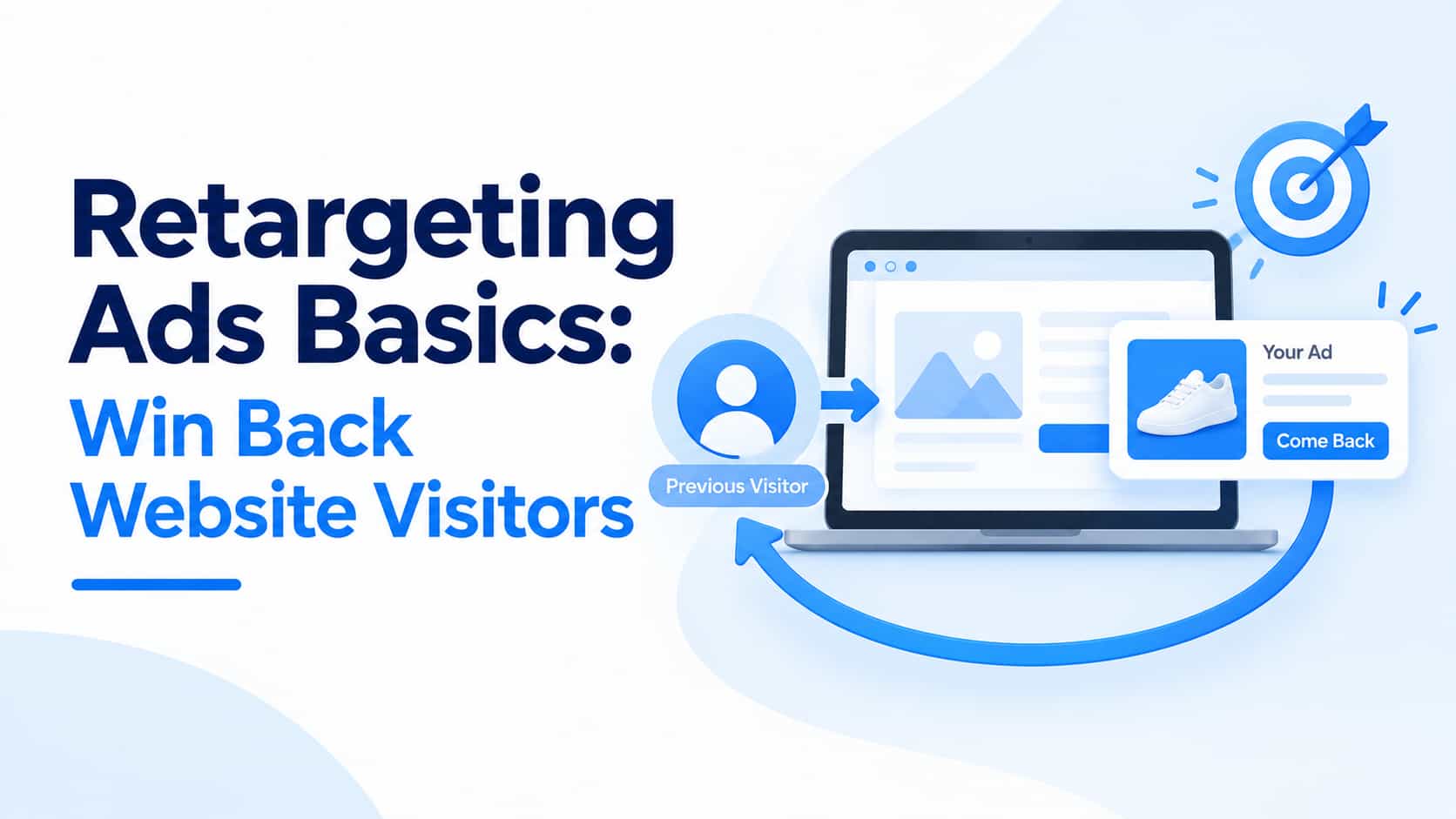
Most website visitors leave without taking action. They browse, compare, get distracted and never return. Retargeting ads, also called remarketing, let you show relevant ads to people who already visited your site or engaged with your content, gently reminding them to come back. Because these audiences already know your brand, retargeting often delivers a lower cost per lead than cold advertising. This guide explains how it works, which audiences to build, what to say to each and how to measure real results on Meta Ads and Google Ads.
What Retargeting Is and Why It Works
Retargeting is paid advertising aimed at people who have already interacted with your business: website visitors, video viewers, social media engagers or customers on your list. A tracking tag, such as the Meta Pixel or the Google tag, records visits in an audience list, and you then show ads to that list across Facebook, Instagram, YouTube, Google Search, Display and other placements. It works because these people have already shown interest, repeated and relevant exposure keeps you in mind during a long buying decision, smaller warm audiences often cost less per conversion and you can tailor each message to what someone actually viewed. Retargeting is one part of a complete funnel, and our guide on sales funnels shows where it fits.
Audiences Worth Building
Start with all website visitors over the last thirty to ninety days as a broad pool for awareness reminders. Then build narrower, higher-intent groups: people who viewed a specific product or service page, cart abandoners for online stores, people who started but did not finish a lead form, viewers who watched a set percentage of your videos and users who engaged with your Instagram or Facebook profile. Customer lists can also be uploaded for cross-selling and loyalty campaigns, provided you hold valid consent for using that data.
Exclude People Who Already Converted
Nothing wastes budget and annoys customers like ads for something they just bought. Exclude recent purchasers and completed leads from your acquisition retargeting, and move them into a separate retention or upsell campaign. This one simple step often improves performance noticeably.
Match the Message to Behaviour
The more your ad reflects what the person did, the better it works. Someone who viewed a product should see that product along with reviews, delivery details and your returns policy. A cart abandoner may respond to a reminder, free shipping or a limited-time incentive. A blog reader might welcome a related guide, checklist or free consultation, and a visitor to your pricing page may be ready for a case study, a testimonial, a demo or a call booking. Past customers can be shown new arrivals, refills and loyalty offers. Cart abandoners are best reached across several channels, and our guide on rich messaging for retail sales has ideas that pair well with ads.
Set Frequency and Time Windows Wisely
Showing the same ad too often causes fatigue and can leave a negative impression, so cap frequency and refresh your creatives every few weeks. Match audience windows to your buying cycle: seven to fourteen days suits quick purchases, while thirty to ninety days fits considered ones such as property, education or large equipment.
Retargeting on Meta and Google
Meta is strong for visual products, lead forms and Reels, with detailed audience options built from pixel events and engagement. Google Ads offers Display, YouTube and search remarketing lists, which let you reach people again as they search for related terms. Many businesses use both, with Meta focused on reminders and creative storytelling and Google capturing intent when people return to search.
Privacy, Consent and Compliance
Publish a clear privacy policy and cookie notice, follow India's data protection requirements and platform advertising policies, and only upload customer lists you have permission to use. Avoid sensitive categories in targeting. Responsible practices protect both your customers and your ad accounts.
Measure Retargeting Properly
Retargeting often looks excellent in last-click reports because the audience was already interested. To understand its real contribution, track cost per lead or sale, return on ad spend and view-through conversions, use a holdout group that does not see the ads and compare conversion rates, and look at assisted conversions to see how retargeting works alongside other channels. Common mistakes include showing one ad to everyone for months, not excluding converters, building audiences too small to deliver or too broad to be relevant, offering aggressive discounts that train customers to wait and ignoring landing page speed and clarity.
Frequently Asked Questions
How big must my audience be?
Platforms set minimum audience sizes. If yours is small, build it first with content, social engagement and awareness campaigns.
Does retargeting work without a website?
Yes. You can retarget people who engaged with social profiles, videos or lead forms, and customer lists with consent.
How much should I spend on retargeting?
Start with a small share of your ad budget, often ten to thirty percent, and scale as returns prove profitable.
Conclusion
Retargeting ads bring back interested visitors at lower cost when you build clear audiences, exclude converters, match messages to behaviour, control frequency and measure true impact. Combined with strong landing pages and follow-up messaging, retargeting turns lost visits into leads and sales.
OM Enterprises plans and manages retargeting across Meta and Google for local and growing brands. Request a free campaign review and start winning back your website visitors.