

Email Automation Flows: Eight Automated Emails Every Online Business Should Build

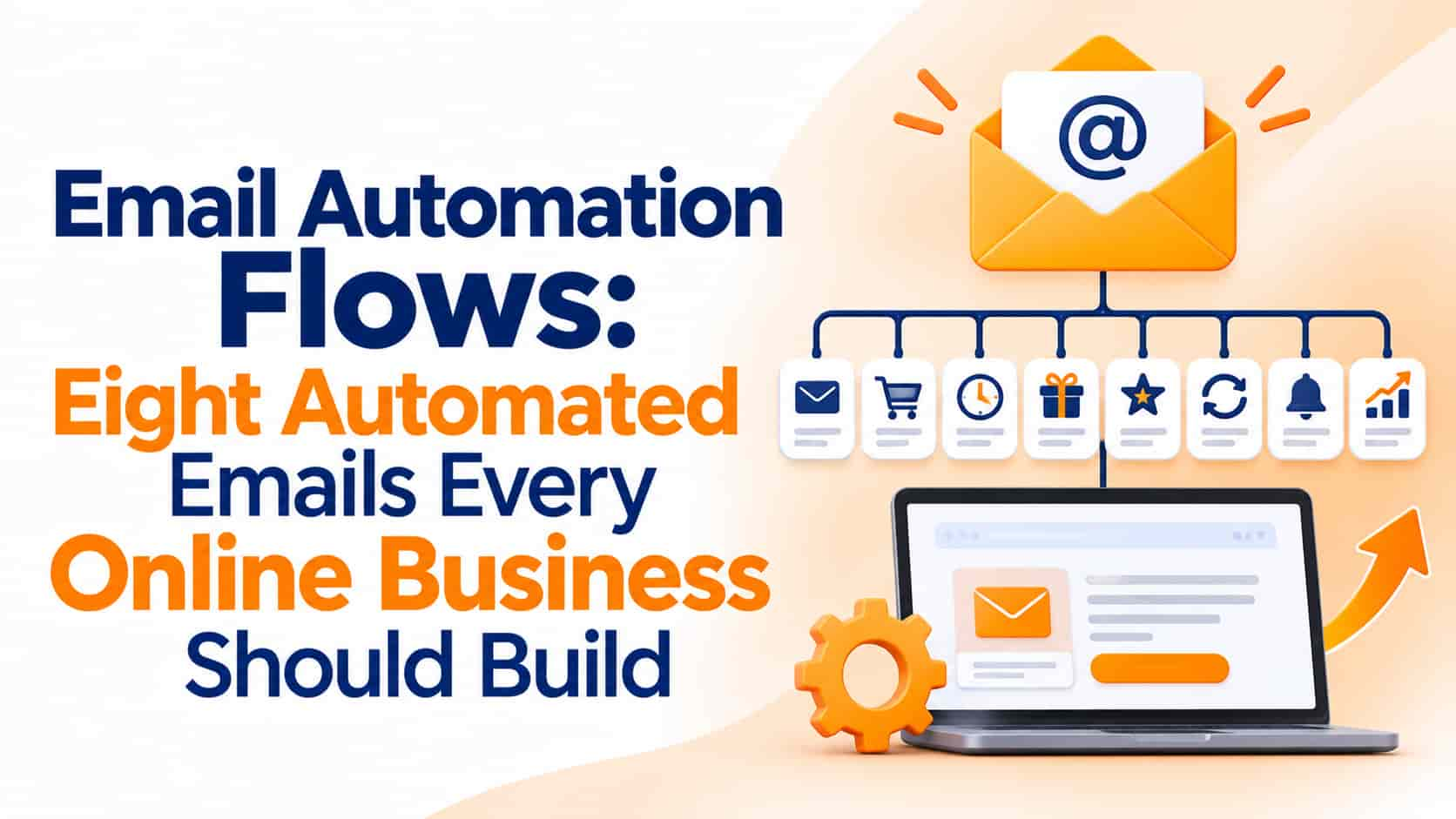
Most businesses treat email as a megaphone: write a newsletter, press send and hope. Meanwhile, the highest-performing emails are rarely the ones sent to everyone. They are the ones triggered by a customer's own action: signing up, abandoning a cart, buying a product, going quiet for sixty days. These automated emails run on their own, arrive at exactly the right moment and keep working while you sleep. Building a handful of email automation flows is one of the most effective investments an online business can make.
What email automation is
Email automation means sending messages automatically based on triggers, rules and timing. A trigger might be a subscription, a purchase, a click on a link, a date such as a birthday or a period of inactivity. When the trigger occurs, the system starts a flow: one or more emails, usually spaced over days, with conditions that change what happens next, such as stopping the flow when a customer buys. Most email platforms and many CRMs include automation builders that use visual workflows.
Before you start: foundations
Automation amplifies whatever you build. Make sure your sending domain is authenticated with SPF, DKIM and DMARC. Collect permission properly, with clear opt-in and an easy unsubscribe. Keep your list clean by removing invalid and long-inactive addresses. Prepare brand-consistent templates that work on mobile. Connect your website, store or CRM to your email platform so that events such as purchases and cart activity can trigger flows.
Flow one: the welcome series
New subscribers are at peak interest. A welcome series makes a strong first impression and sets expectations. A typical sequence has three to five emails over one or two weeks. The first email arrives immediately, thanks the person, delivers any promised offer or guide and explains what to expect. The second introduces your story and values. The third showcases best-selling products or most useful content. The fourth shares customer proof such as reviews. The fifth can present a gentle offer to encourage a first purchase. Keep each email focused on one message and one action.
Flow two: abandoned cart recovery
Many shoppers add products and leave. A sequence of two to three emails can recover a share of those sales. The first email, often sent within an hour or two, reminds the person of the cart contents with images and a button that returns to checkout. The second, a day later, addresses typical objections such as delivery time, returns, payment options and reviews. The third, a few days later, may include a small incentive if your margin allows, or a note about limited stock if true. Stop the flow once the customer buys. Avoid sending too many reminders, and combine email with WhatsApp or SMS where you have consent.
Flow three: browse abandonment
Some visitors view products but never add to the cart. If you can identify them through a login or a previous subscription, a browse follow-up can show the products they viewed and suggest similar items. This flow should be lighter than cart recovery, with a single email and a softer tone.
Flow four: post-purchase
The relationship begins after the sale. An order confirmation email confirms details immediately. A shipping notice follows with tracking. After delivery, send usage tips or care instructions that help the customer get value. A week or two later, ask for a review with a simple link. A few weeks after, recommend complementary products. A good post-purchase flow reduces support queries, builds trust and increases repeat purchases.
Flow five: replenishment and reorder
For consumable products such as skincare, supplements, pet food or coffee, remind customers when they are likely to run out. Time the email based on typical usage, with a one-click reorder link. Offer subscription options if you have them. This flow turns predictable demand into regular revenue.
Flow six: win-back
When a customer has not purchased or opened emails for a defined period, such as sixty or ninety days, trigger a win-back sequence. Start with a friendly "we miss you" message, highlight what is new, and maybe ask for feedback or preferences. If they still do not respond after two or three emails, reduce frequency or remove them from your active list, which also protects deliverability.
Flow seven: birthdays and anniversaries
If you collect dates with consent, send a personal greeting with a small treat, such as a discount or free gift. These flows have high engagement and cost little. Do not collect or store dates you do not need.
Flow eight: lead nurturing for services
For businesses selling services, a sequence can follow up on enquiries and guide leads toward a decision. It might include a thank-you with the next step, a case study, answers to common questions, a comparison of options and a prompt to book a call. Pause the flow when a salesperson makes contact, so the lead is not bombarded.
Write emails people read
Use clear subject lines that reflect the content and avoid misleading tricks. Keep the message short with one primary call to action. Personalise with relevant details, such as product names and past purchases, not just a first name. Write like a person, not a brochure. Use a recognisable sender name. Include your contact details and an unsubscribe link. Design for mobile first, with large buttons and readable text. Respect the language preferences of your audience.
Timing and frequency
Spacing matters. Triggered emails should feel timely, not repetitive. Set delays that fit your product, such as short delays for cart reminders and longer ones for replenishment. Use a master rule that limits the total number of emails any person receives in a week across all flows and campaigns. Pause promotional flows for customers who have an open support issue.
Test and measure
Track open rates with caution, since privacy features can inflate or hide them. Focus on click rate, conversion rate, revenue per recipient, unsubscribe rate and spam complaints. Test one element at a time, such as subject line, send time, offer or layout. Review each flow monthly, remove weak emails and rewrite them using customer feedback. Compare revenue from automated flows with regular campaigns to see their contribution.
Compliance and privacy
Send marketing email only to people who agreed to receive it. Include a visible unsubscribe link and honour opt-outs promptly. Major mailbox providers expect authenticated sending, low complaint rates and one-click unsubscribe for bulk senders, and requirements keep evolving. Handle personal data carefully, in line with India's data protection law and any rules that apply to your audience elsewhere.
Common mistakes
Common errors include building too many flows at once, no exit rules, sending offers to people who just bought, ignoring mobile design, weak subject lines, sending irrelevant content to everyone and failing to monitor deliverability.
Frequently asked questions
Which flow should I build first?
Most businesses start with a welcome series and an abandoned cart flow.
Do I need expensive software?
No. Many affordable platforms include automation, though features differ.
How many emails should a flow have?
As many as needed to deliver value, often two to five.
Let your emails work around the clock
OM Enterprises designs and builds email automation flows connected to your store, CRM and WhatsApp messaging. Talk to our email marketing team.