

Customer Segmentation: Simple RFM Guide for Small Business

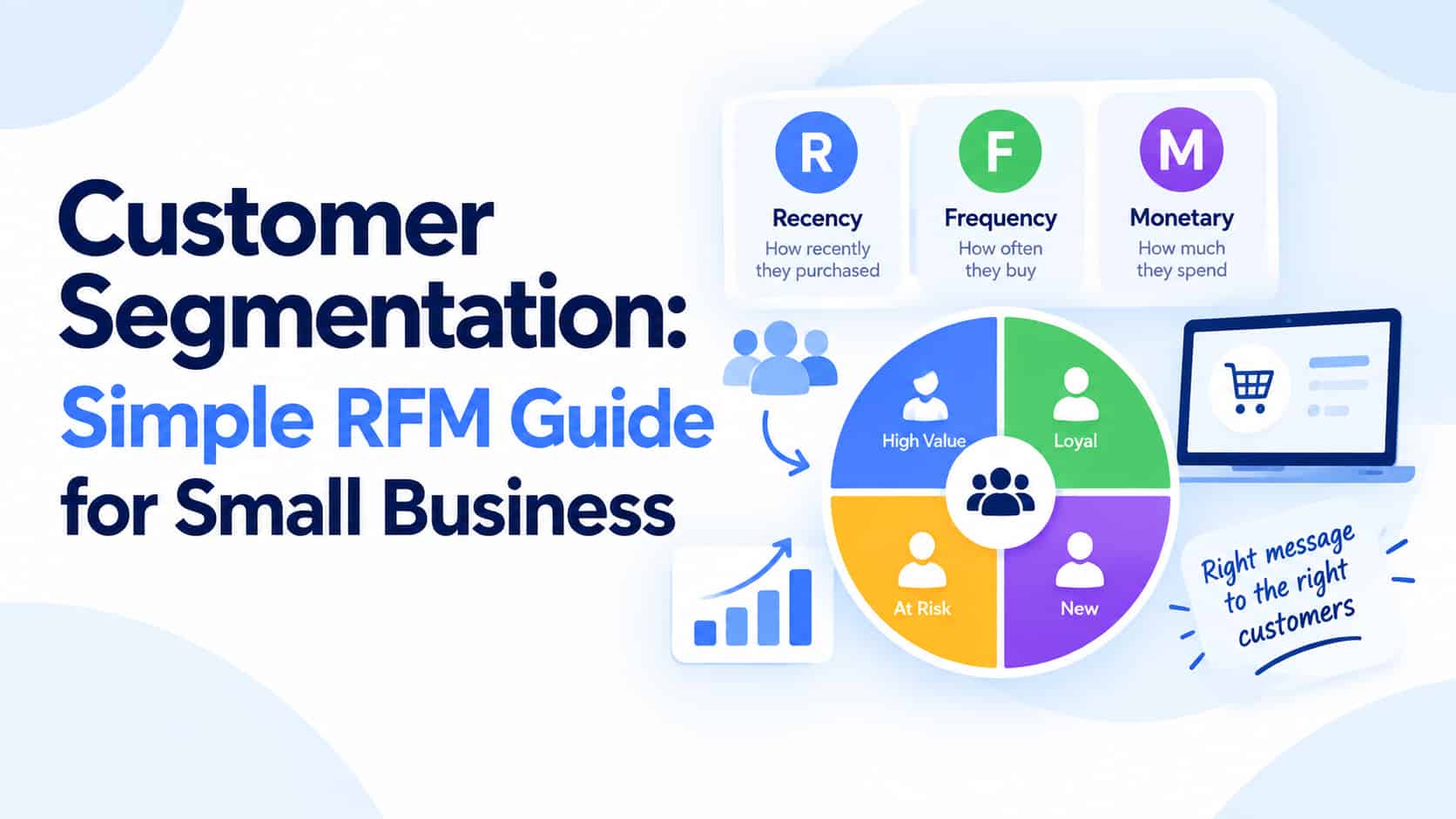
Sending the same message to every customer is the quickest way to get ignored. A first-time buyer, a loyal repeat customer and someone who has not purchased in a year need very different messages. Customer segmentation means dividing your customers into groups so each one receives messages that fit them. The result is higher engagement, fewer opt-outs and more revenue from the same database. This guide shows small businesses how to start with RFM segmentation in a simple spreadsheet, with no expensive software required.
What Customer Segmentation Means
Segmentation groups people by shared traits or behaviour: how recently they bought, how often, how much they spend, what they like and where they live. Instead of sending one broadcast to everyone, you run targeted campaigns across SMS, WhatsApp, RCS and email, each tuned to a particular group. It is the foundation of effective marketing and a natural part of any sales funnel, because each stage of the funnel calls for a different message.
Why Segmentation Works
People respond to messages that match their situation. A shopper who bought a sofa last week does not need a sofa offer, but might welcome a cushion suggestion or a request for a review. Relevance lowers opt-outs and complaints, improves the return on every message you send and makes customers feel understood rather than spammed. For small businesses with limited budgets, spending only where a message is likely to land is one of the simplest ways to improve results.
Five Simple Ways to Segment
You can begin with data you already have. Recency groups customers by how recently they bought, for example in the last thirty days, between thirty-one and ninety days, or longer ago. Frequency separates one-time buyers from occasional and loyal ones. Monetary value splits big spenders from low spenders. Product interest groups people by the categories they bought or browsed, and location and language allow you to tailor offers by city, branch area or preferred language such as Hindi or Punjabi. Additional signals such as birthday, source of acquisition and preferred channel can be added later.
How RFM Segmentation Works
RFM stands for recency, frequency and monetary value, and it needs only three columns from your sales data. Export each customer's name or ID, the date of their last purchase, how many purchases they have made and how much they have spent in total. Score each factor on a simple scale of one to three, where a recent purchase, many orders and high spending all earn the highest scores. Combining the three scores places every customer into a natural group, from champions who buy often and spend well to lost customers who have not returned in a long time.
What to Say to Each Group
Champions deserve early access, thank-you gifts and referral rewards, because they are your best advocates. Loyal customers respond well to loyalty points, new arrivals and relevant upsells. New customers need a warm welcome, usage tips and a polite request for a review. At-risk customers who used to buy often but have gone quiet should hear from you with a friendly "we miss you" message, a small offer or a short feedback survey, while lost customers can receive a final win-back attempt before you stop spending effort on them.
The same thinking applies across industries. A retailer might send festive early access to top spenders and a first-order coupon to new subscribers, a restaurant might reward frequent diners and re-engage guests who have not visited in sixty days, and a clinic might remind patients who are due for check-ups. See our guide on how bulk SMS marketing helps small businesses for more campaign ideas.
Keep Data Clean and Compliant
Segmentation only works if your data is accurate and your messaging is permitted. Record consent for each channel, especially WhatsApp and promotional SMS, update records after every purchase or interaction, and remove invalid numbers and unsubscribed contacts promptly. Store data securely and follow India's data protection requirements, so the trust you build with targeted messages is not undone by careless handling.
Do Not Over-Segment
It is tempting to create dozens of tiny groups, but too many segments create work without benefit. Start with three to five groups, measure how each performs and add more only when the data justifies it. Useful measures include click-through and conversion rates by segment, opt-out rates before and after segmentation, revenue per message for each group and your repeat purchase rate over time.
Frequently Asked Questions
Do I need a CRM to segment customers?
No. A spreadsheet is enough to begin, and a CRM becomes valuable as your database and channels grow.
How often should I update segments?
Monthly is a good rhythm for most small businesses, plus a refresh after major campaigns or seasons.
What if I have very little customer data?
Start collecting it by asking for name, city and preferences at billing, sign-up and checkout, always with clear consent.
Conclusion
Customer segmentation turns generic broadcasts into relevant conversations. Begin with recency, frequency and value, build a handful of simple segments and send each group a message that fits. Measure the results, refine your groups and expand gradually as your data improves.
OM Enterprises helps businesses organise customer data and run segmented campaigns across SMS, WhatsApp, RCS and email. Speak to our team today and send the right message to the right customer.