

How to Build an Email List Ethically (Step-by-Step Guide)

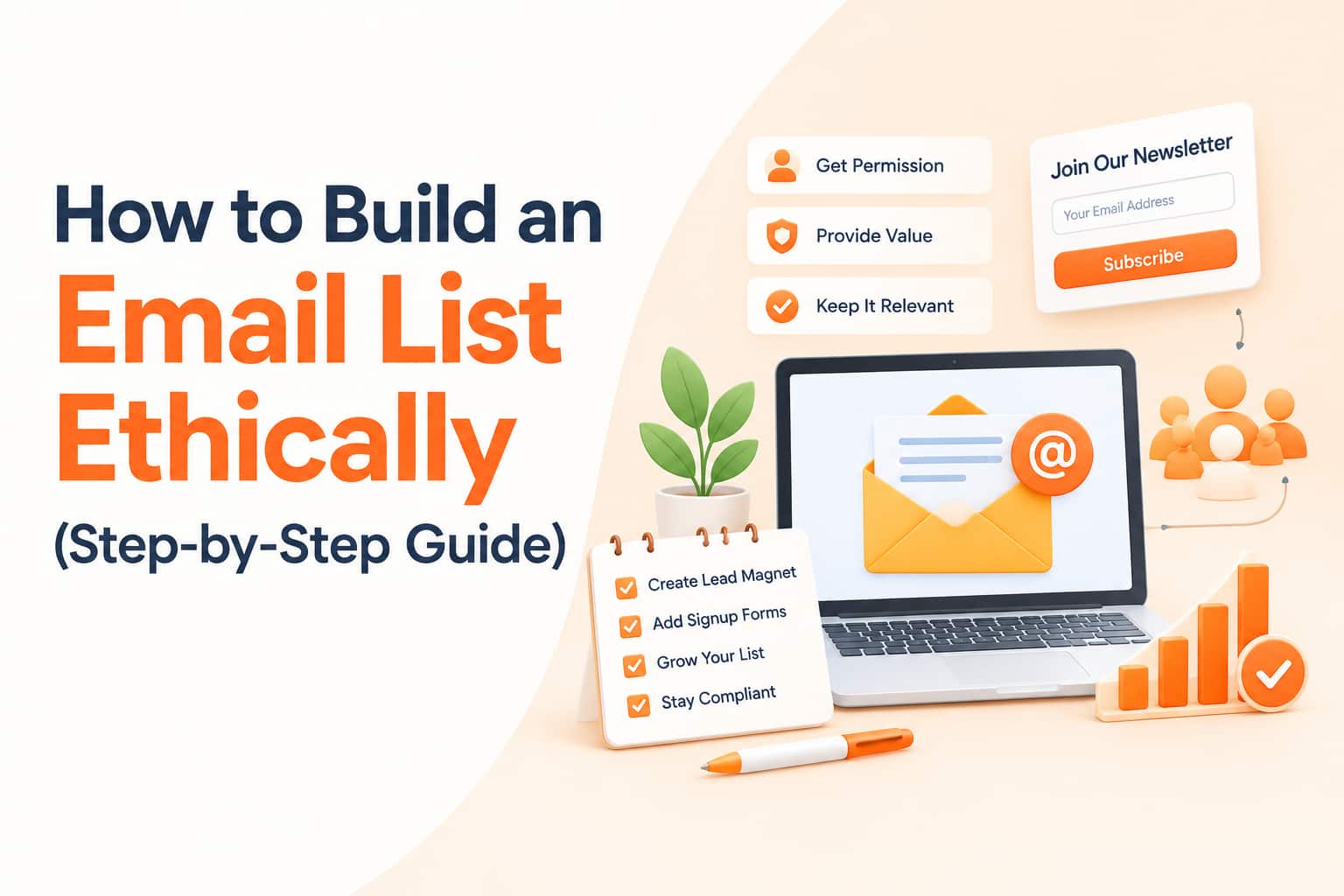
A smaller list of people who genuinely want your emails beats a huge list of strangers every time. Purchased lists damage your sender reputation, trigger spam complaints and can breach privacy expectations. A permission-based email list is one of the few marketing assets you fully own, unaffected by algorithm changes. This guide shows how to build an email list ethically in India: which lead magnets work, where to place sign-up forms, how to collect consent, what to put in a welcome email and how to keep the list healthy.
Why Ethical List Building Matters
Mailbox providers watch spam complaints, bounces and engagement closely, so a clean and willing audience keeps your emails in the inbox. Subscribers who chose to hear from you open, click and buy more, which lowers the cost of every campaign. Clear consent and honest use of data also respect India's data protection expectations and build trust. Email works best alongside other channels, as our guide on SMS marketing vs email marketing ROI explains.
Offer Something Worth Signing Up For
People rarely hand over their email address for nothing, so give them a reason. A lead magnet can be a useful checklist, template, guide or calculator connected to your business, early access to festive offers or new arrivals, a first-order discount or free shipping coupon, a newsletter with real tips and local insights, or a free consultation, audit or sample for service and B2B businesses. A clinic might offer a seasonal health checklist, a jeweller a wedding-season buying guide and a coaching institute a free study planner. The best offers solve a small, real problem quickly.
Place Sign-Up Forms Where People Already Are
Visitors are most likely to subscribe in places they already trust and use. Put forms in your website header, footer, sidebar and blog posts, and on checkout and order confirmation pages. Pop-ups and slide-ins can work if timed after some engagement rather than the instant someone arrives. Offline, QR codes at billing counters, on packaging and at events turn walk-in customers into subscribers, and your social profiles, link-in-bio pages and WhatsApp conversations can all invite people to join, with consent.
Keep Forms Short and Clear
Ask for an email address and a first name, nothing more. Each additional field reduces sign-ups, and you can collect preferences later through your welcome email or a preference centre. Tell people clearly what they will receive and how often, because honest expectations reduce unsubscribes later.
Collect Consent Properly
State exactly what subscribers will receive, such as weekly tips or monthly offers, and use clear opt-in wording or an unticked consent box where appropriate. Keep a record of when, where and how each person subscribed, include a working unsubscribe link in every email and honour requests quickly, and link to a privacy policy that explains how data is used. Consider double opt-in, where a confirmation email must be clicked. It reduces fake sign-ups and typos, protects your sender reputation and confirms the address owner really wants your emails, at the cost of a slightly smaller but much more engaged list.
Send a Strong Welcome Email
Welcome emails typically earn far higher open rates than ordinary campaigns, so use yours well. Deliver the promised lead magnet or discount immediately, introduce your brand and say what subscribers can expect and how often. Invite replies, ask one simple preference question to help with segmentation and point to your best content or products.
Grow Your List Across Channels
Invite customers to subscribe through SMS campaigns, WhatsApp conversations and social media, and note where each subscriber came from so you can personalise follow-ups. Our guide on social media strategy shows how to feed your list from social audiences.
Keep Your List Healthy
Remove hard bounces immediately and run a re-engagement email to inactive subscribers, then remove those who stay silent after a few attempts. Honour unsubscribes and spam complaints at once, and authenticate your domain with SPF, DKIM and DMARC records so providers trust your messages. Monitor open, click, unsubscribe and complaint rates regularly, since sudden changes reveal problems early.
Never Buy or Scrape Lists
Bought or scraped lists contain people who never agreed to hear from you. They create high complaint and bounce rates, may contain spam traps and can get your domain blocked by providers. The money is better spent on lead magnets, content and advertising that earn real subscribers.
Frequently Asked Questions
Is buying an email list ever worthwhile?
No. It harms deliverability, breaks trust and may violate privacy expectations. Build your own audience instead.
How often should I email my list?
Match the frequency you promised at sign-up, then watch engagement and unsubscribes. Many small businesses start with weekly or fortnightly emails.
What is a good list-growth idea for a local business?
Combine in-store QR codes, checkout sign-ups, a useful lead magnet and a warm welcome email, then nurture with relevant content.
Conclusion
Ethical email list building is simple but disciplined: offer genuine value, make sign-up easy, collect clear consent, send a great welcome email and keep the list clean. The result is an engaged audience that opens, clicks and buys for years.
OM Enterprises sets up sign-up funnels, welcome journeys and email campaigns that grow healthy lists. Talk to us about your email strategy and start building an audience you own.