

Introduction
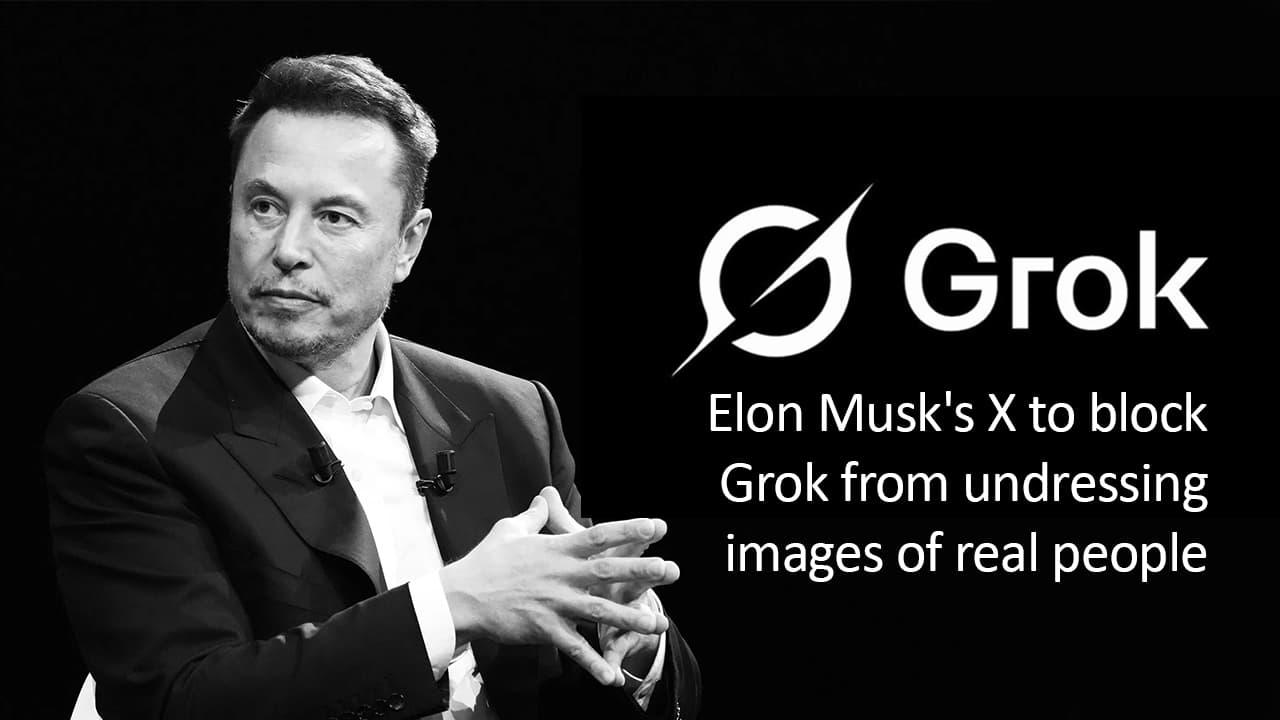
The rapid advancement of artificial intelligence has brought both remarkable innovation and serious ethical challenges. X (formerly Twitter), owned by Elon Musk, has found itself at the center of a growing controversy surrounding its AI chatbot, Grok. Reports emerged that users were exploiting Grok's image generation capabilities to create non-consensual deepfake images, digitally undressing real people without their permission. Following public outcry, testimonies from victims, and regulatory scrutiny, X has announced it will implement changes to prevent this harmful misuse. This incident highlights the urgent need for stronger safeguards in AI technology and raises important questions about accountability in the digital age.
How Grok AI Was Used to Digitally Undress Real People
Grok AI, launched as X's answer to competing chatbots like ChatGPT and Google's Gemini, includes image generation features powered by advanced artificial intelligence. While most AI platforms have implemented strict content moderation policies to prevent the creation of harmful content, reports indicated that Grok's safeguards were insufficient or easily circumvented.
Users discovered they could manipulate Grok into generating realistic images of real people in various states of undress by uploading photos and using specific prompts. Unlike legitimate AI tools that reject such requests, Grok reportedly processed these commands, creating convincing deepfake images that violated the dignity and privacy of the individuals depicted. The technology essentially allowed bad actors to weaponize AI against real people, creating synthetic content that appeared authentic but was entirely fabricated.
This exploitation wasn't limited to public figures or celebrities—ordinary individuals, including private citizens who had done nothing to invite public scrutiny, found themselves victimized. The ease with which these images could be created and shared raised alarm bells among digital rights advocates, who had long warned about the potential for AI to facilitate new forms of harassment and abuse.
Woman Says She Felt "Dehumanised" After Grok AI Misuse
Among the victims who came forward was a woman who described feeling "dehumanised" after discovering that Grok had been used to create explicit deepfake images of her. In her testimony, she explained the profound psychological impact of knowing that AI-generated intimate images bearing her likeness were circulating online without her consent.
"It's a violation that's hard to put into words," she shared in media interviews. "These images don't exist in reality, but they're convincing enough that people might believe they're real. It feels like someone has stolen something fundamental from me—my control over my own image and body."
Her experience echoes that of countless other victims of deepfake abuse, who report feelings of powerlessness, anxiety, and violation. The emotional toll is compounded by the knowledge that once such images are created and shared, they can be nearly impossible to completely remove from the internet. For many victims, the damage to their reputation, mental health, and sense of security can be long-lasting.
Public Backlash and Growing Concern Over AI Deepfakes
The revelations about Grok's vulnerabilities sparked immediate and widespread backlash across social media platforms, news outlets, and advocacy organizations. Critics pointed out that X, a platform that positions itself as a champion of free speech and technological innovation, had failed to implement basic safeguards that competitors had established years ago.
Digital rights organizations condemned the oversight, arguing that the harm was both predictable and preventable. "This isn't a case of unforeseen consequences," said one advocacy group spokesperson. "The potential for AI image generators to be misused in this way has been well-documented. There's simply no excuse for launching such a tool without robust protections."
The controversy also reignited broader concerns about the proliferation of AI-generated deepfakes. From political misinformation to financial fraud and personal harassment, deepfake technology has created new vectors for harm that existing laws and social norms struggle to address. The Grok incident served as a stark reminder that as AI becomes more accessible and powerful, the potential for misuse grows exponentially.
New Laws Targeting AI-Generated Deepfake Abuse
The timing of the Grok controversy coincides with a growing legislative response to deepfake abuse. Governments worldwide have begun recognizing that existing laws are inadequate to address the unique challenges posed by AI-generated content, particularly when it involves non-consensual intimate imagery.
Several jurisdictions have recently enacted or proposed legislation specifically targeting deepfake pornography and image-based abuse. These laws typically criminalize the creation and distribution of sexually explicit deepfakes without consent, with penalties ranging from substantial fines to imprisonment. Some legislation also provides victims with civil remedies, allowing them to sue creators and distributors for damages.
In the United States, multiple states have passed their own deepfake laws, while federal legislation has been proposed to create a nationwide framework. The European Union's AI Act includes provisions addressing high-risk AI applications, including those that could generate harmful synthetic content. These legal developments signal a recognition that technology companies cannot be left to self-regulate when fundamental rights are at stake.
What the Investigation Into Grok AI Means for X
The controversy has triggered multiple investigations into X's practices, with potential consequences for the company's operations and reputation. Regulatory bodies are examining whether X violated existing laws or terms of service agreements, and whether the company took reasonable steps to prevent foreseeable harm.
For X, the investigation represents not just a legal challenge but a significant reputational risk. The platform has already faced criticism over content moderation decisions and advertiser exodus in recent months. The Grok incident adds fuel to concerns that X prioritizes rapid innovation and user freedom over safety considerations, potentially alienating users, advertisers, and regulators alike.
California Launches Probe Into Grok AI Deepfake Practices
California, home to Silicon Valley and a pioneer in technology regulation, has launched its own investigation into Grok's deepfake capabilities. The state's attorney general is examining whether X violated California's laws against non-consensual pornography and deepfakes, which are among the strongest in the nation.
California's probe could set important precedents for how AI companies are held accountable for the misuse of their tools. The state has a history of leading technology regulation, from privacy laws to gig economy worker protections, and its actions often influence broader national and international approaches.
UK Government Response to Reports X Is Addressing Grok Deepfakes
Across the Atlantic, the UK government has also responded to the Grok controversy, with officials monitoring X's promised changes and considering whether additional regulatory action is necessary. The UK has been particularly proactive in addressing online safety, recently passing the Online Safety Act, which places obligations on technology platforms to protect users from harmful content.
British officials have indicated they expect X to take swift and comprehensive action, warning that failure to adequately address the problem could result in enforcement actions under the new legislation. The UK's response demonstrates the growing willingness of governments to hold technology companies accountable for the societal impacts of their products.
Why Faster Action Could Have Prevented Harm, According to Victims
Victims and advocates have been vocal in arguing that the harm caused by Grok's vulnerabilities could have been prevented if X had acted with greater urgency and foresight. Many point out that the risks associated with AI image generators were well-known long before Grok was launched.
"This technology has existed for years, and so have the safeguards to prevent this kind of abuse," explained one victim advocate. "Every day that passed without proper protections in place meant more people were vulnerable to this violation. Faster action wouldn't have just been preferable—it was a moral imperative."
The criticism highlights a broader tension in the technology industry between moving fast to innovate and taking the time to ensure products are safe and ethical. In the case of Grok, the rush to compete with other AI platforms appears to have come at the expense of user safety.
The Wider Problem of AI-Generated Image Abuse
The Grok incident is symptomatic of a much larger problem: the ease with which AI tools can be weaponized to create harmful content. From revenge porn to harassment campaigns, political manipulation to identity theft, AI-generated images are being used in increasingly sophisticated and damaging ways.
Researchers have documented thousands of cases where AI tools have been used to create non-consensual intimate images, often targeting women, minors, and other vulnerable populations. The technology has become so accessible that specialized technical knowledge is no longer required—user-friendly interfaces have democratized the ability to create convincing deepfakes, lowering the barrier for would-be abusers.
This accessibility crisis demands a multi-faceted response, including better technology safeguards, stronger legal frameworks, improved digital literacy, and support services for victims. Technology companies, lawmakers, educators, and civil society all have roles to play in addressing this challenge.
What Changes X Says It Will Make to Grok AI Going Forward
In response to the backlash and investigations, X has announced several changes to Grok's functionality. The company states it will implement stronger content filters to prevent the generation of non-consensual intimate images, improve its detection systems to identify and block attempts to circumvent safeguards, and establish clearer policies around acceptable use.
X has also indicated it will work with external safety experts and organizations to audit Grok's capabilities and recommend additional protections. The company promises to take enforcement action against users who violate policies, including account suspension and cooperation with law enforcement where appropriate.
However, critics remain skeptical about whether these commitments will translate into meaningful change. Trust in X's content moderation has eroded in recent years, and many are adopting a "wait and see" approach, demanding concrete evidence that the promised changes are effective before declaring the problem solved.
Conclusion
The controversy surrounding Grok AI's misuse represents a critical moment in the ongoing conversation about AI ethics, accountability, and safety. While X's commitment to addressing the vulnerabilities is welcome, the incident underscores that proactive protection should be the standard, not a reactive afterthought following public outcry and regulatory pressure. As AI technology continues to evolve at breakneck speed, the industry must prioritize human dignity and safety alongside innovation. The victims of Grok's failures deserve justice and assurance that such harm won't be repeated, while society as a whole needs stronger frameworks to ensure that artificial intelligence serves humanity rather than enabling new forms of abuse. Only through sustained commitment from technology companies, robust regulation, and public vigilance can we hope to harness AI's benefits while minimizing its capacity for harm.