

In the world of digital marketing, the terms "sales funnel" and "marketing funnel" are often used interchangeably — but they are not the same thing. While both concepts describe the journey a potential customer takes before making a purchase, they serve different purposes, involve different teams, and require different strategies. Understanding the distinction between the two is not just a matter of semantics; it's the key to building a cohesive, revenue-generating business machine. Whether you're a startup founder, a seasoned marketer, or a sales professional, knowing how these two funnels work — and how they work together — can dramatically improve your results.
What is a Marketing Funnel?
A marketing funnel represents the entire journey a prospect takes from the moment they first become aware of your brand to the point where they express genuine interest in your product or service. It is a top-of-the-funnel exercise, focused on attracting, educating, and nurturing a large audience.
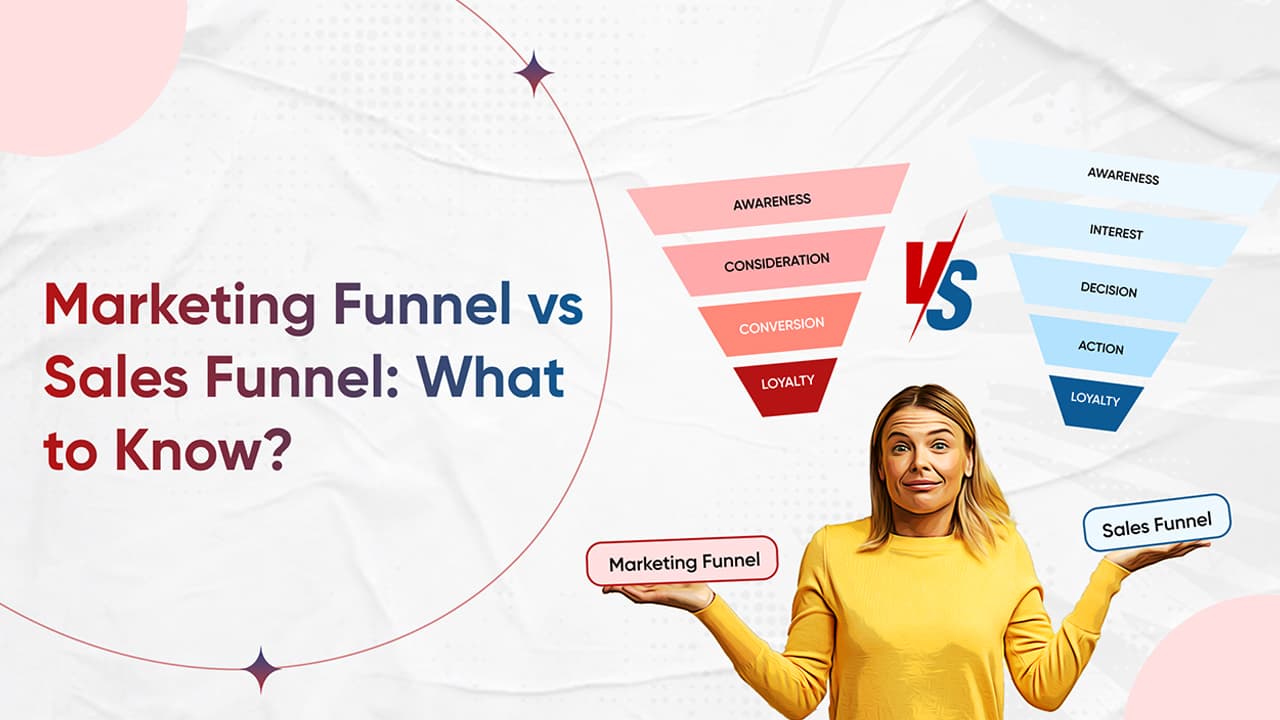
The marketing funnel typically consists of three key stages:
Awareness: This is where potential customers first discover your brand — through social media posts, blog articles, paid advertisements, SEO, or word of mouth. The goal at this stage is visibility and reach.
Interest & Consideration: Once a prospect knows you exist, the marketing team works to keep them engaged. This includes email campaigns, retargeting ads, webinars, case studies, and valuable content that positions your brand as a trusted authority.
Intent: At this stage, the prospect shows signs of genuine buying intent — signing up for a free trial, requesting a demo, or downloading a product guide. This is typically where the marketing funnel ends and the sales funnel begins.
The marketing funnel is largely driven by data, content strategy, and brand storytelling. Its success is measured through metrics like website traffic, lead generation, cost-per-lead, and engagement rates.
What is a Sales Funnel?
The sales funnel picks up right where the marketing funnel leaves off. It focuses on converting warm, interested leads into paying customers. While the marketing funnel is broad and casts a wide net, the sales funnel is narrow and precise — it's about closing deals.
The sales funnel typically includes the following stages:
Lead Qualification: Not every lead passed from marketing is ready to buy. The sales team evaluates each lead using criteria like budget, authority, need, and timeline (BANT) to determine their readiness.
Proposal & Negotiation: For qualified leads, the sales team presents tailored solutions, addresses objections, and negotiates terms that work for both parties.
Closing: This is the moment of conversion — where a prospect becomes a customer. Success here is measured by conversion rates, deal size, and sales cycle length.
The sales funnel is personal, relationship-driven, and highly dependent on human communication. It thrives on trust, timing, and tailored conversations rather than broad messaging.
Building Alignment Across a Sales Funnel and Marketing Funnel
One of the biggest challenges businesses face is the misalignment between their marketing and sales teams. Marketing may complain that the leads they generate aren't followed up on. Sales may argue that the leads they receive aren't qualified enough. This disconnect costs businesses billions in lost revenue every year.
Building alignment starts with a shared definition of what constitutes a "qualified lead." Both teams must agree on what a Marketing Qualified Lead (MQL) and a Sales Qualified Lead (SQL) look like. Without this shared language, leads fall through the cracks.
Here are key strategies to create better alignment:
Regular Communication: Schedule weekly or bi-weekly meetings between sales and marketing teams to share feedback on lead quality and campaign performance.
Unified CRM Systems: Use a single Customer Relationship Management (CRM) tool like HubSpot or Salesforce so both teams work from the same data.
Shared Goals & KPIs: When both teams are held accountable to revenue goals — not just traffic or lead numbers — they naturally collaborate more effectively.
Content Collaboration: Sales teams are on the front lines and know customer objections best. Marketing should use these insights to create content that addresses real pain points throughout the funnel.
When sales and marketing are aligned, businesses see significantly higher revenue growth, shorter sales cycles, and better customer retention.
Sales is About Building the Right Relationships
At its core, sales is not just about transactions — it's about trust. In a world saturated with advertisements and automated messages, people still buy from people they trust. The most successful sales professionals understand that their primary job isn't to sell a product; it's to solve a problem.
Building the right relationships means understanding your prospect's world — their challenges, goals, fears, and motivations. It means listening more than you speak, asking the right questions, and offering genuine value before you ask for anything in return.
In B2B sales especially, relationship-building is a long game. A prospect may not be ready to buy today, but if you've invested in the relationship — checking in, sharing relevant insights, celebrating their wins — they will think of you first when they are ready. This is why top sales professionals spend as much time nurturing existing relationships as they do chasing new ones.
Modern sales also benefit enormously from social selling — using platforms like LinkedIn to engage with prospects authentically, share thought leadership, and build credibility before the first sales call even happens. When a prospect already knows, likes, and trusts you before you reach out, the entire sales funnel compresses and conversion becomes far more natural.
Conclusion
The marketing funnel and the sales funnel are two sides of the same coin. The marketing funnel builds awareness, generates interest, and delivers qualified leads to your sales team. The sales funnel takes those leads and converts them into loyal, paying customers. Neither funnel works at its best in isolation.
The businesses that win are those that invest in aligning their marketing and sales efforts under a single, unified strategy — where every piece of content, every campaign, and every conversation moves a prospect one step closer to a confident "yes." And at the heart of it all is one timeless truth: people don't buy products, they buy relationships, trust, and solutions.
So whether you're mapping out your next content strategy or preparing for a crucial sales call, remember: the funnel is just a framework. The real magic happens when you genuinely understand and serve your customer at