

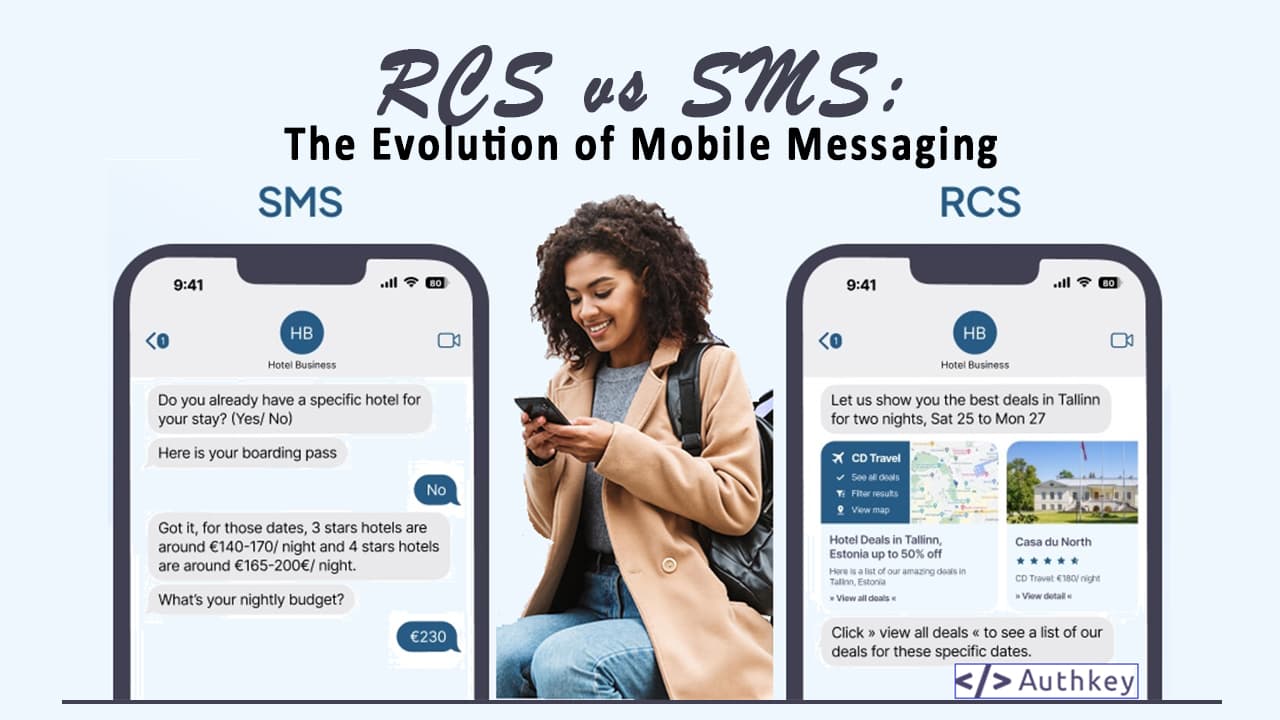
RCS vs SMS: The Evolution of Mobile Messaging
Mobile messaging has been the backbone of digital communication for decades, connecting billions of people worldwide through simple text exchanges. While SMS has served us faithfully since the early days of mobile phones, a new technology is emerging to transform how we communicate: Rich Communication Services, or RCS. As businesses and consumers alike seek more engaging and interactive messaging experiences, understanding the differences between these two technologies has become increasingly important. This evolution isn't just about sending prettier messages—it represents a fundamental shift in how we think about mobile communication, offering capabilities that SMS simply cannot match while promising to bridge the gap between traditional texting and modern messaging apps.
What is SMS?
Short Message Service, commonly known as SMS, is the original text messaging technology that has been around since 1992. It's a standardized communication protocol that allows mobile devices to exchange short text messages of up to 160 characters. SMS operates over cellular networks using signaling channels, which means it doesn't require an internet connection—just a basic cellular signal.
The beauty of SMS lies in its simplicity and universal accessibility. Every mobile phone, from the most basic feature phone to the latest smartphone, can send and receive SMS messages. This universal compatibility has made SMS the default communication method for everything from personal conversations to two-factor authentication codes and emergency alerts.
However, SMS comes with significant limitations. Beyond the 160-character limit, it only supports plain text with no formatting options. Sending images, videos, or other media requires MMS (Multimedia Messaging Service), which is technically a different protocol. SMS also lacks read receipts, typing indicators, and group chat functionality that modern users have come to expect. Despite these constraints, SMS remains incredibly reliable and has maintained its position as a critical communication channel for businesses and individuals alike.
What is RCS?
Rich Communication Services (RCS) is the next-generation messaging protocol designed to replace SMS with a more feature-rich experience. Developed by the GSM Association, RCS brings smartphone messaging into the modern era by incorporating capabilities similar to popular messaging apps like WhatsApp, iMessage, and Telegram, but as a native feature of your phone's messaging app.
RCS transforms basic text messaging into an interactive, multimedia experience. It supports high-resolution image and video sharing, audio messages, location sharing, and file transfers of up to 100MB or more, depending on carrier implementation. Unlike SMS, RCS operates over mobile data or Wi-Fi connections, enabling much richer content delivery without the constraints of cellular signaling channels.
One of RCS's most significant advantages is its business messaging capabilities. Companies can create branded messages with verified sender identification, interactive buttons, carousels for product showcases, and suggested replies that users can tap to respond quickly. This makes RCS particularly attractive for customer service, marketing campaigns, and transactional communications. RCS also provides read receipts, typing indicators, and improved group chat functionality, bringing the familiar features of modern messaging apps to the default messaging experience on Android devices.
RCS Message vs SMS: Key Differences
The differences between RCS and SMS extend far beyond just adding pictures to messages. Understanding these distinctions helps explain why RCS is positioned as the future of mobile messaging.
Character limits and content: While SMS restricts you to 160 characters of plain text, RCS essentially has no practical character limit and supports rich formatting including bold, italics, and different font styles. RCS handles multimedia content natively, allowing users to share high-quality photos, videos, GIFs, and files without compression or quality loss.
Interactivity and engagement: SMS is a one-way street—you send a message, and someone responds with another message. RCS introduces interactive elements like suggested reply chips, action buttons, and carousels. Users can complete tasks like scheduling appointments, making purchases, or confirming reservations directly within the messaging interface without leaving the conversation.
Delivery and status indicators: SMS provides basic delivery confirmation at best, and many carriers don't reliably support even that. RCS offers real-time typing indicators, read receipts, and delivery confirmations, giving senders clear visibility into message status and engagement.
Security: SMS messages are unencrypted and travel through carrier networks where they can potentially be intercepted. RCS, particularly in its Universal Profile implementation, supports end-to-end encryption for one-on-one conversations, providing significantly better privacy and security.
Network requirements: SMS works on any cellular connection, even 2G networks, and doesn't require data. RCS requires a data connection (mobile data or Wi-Fi) to function, which can be a limitation in areas with poor data coverage but provides much faster delivery in most situations.
Branding and business identity: SMS messages appear generic, with no way to verify the sender's identity authentically. RCS allows businesses to display verified logos, brand colors, and company information, reducing phishing risks and building trust with recipients.
Why Businesses Are Moving from SMS to RCS
The shift from SMS to RCS isn't just a technological upgrade—it's a strategic business decision driven by measurable improvements in customer engagement and conversion rates.
Enhanced customer engagement: RCS messages consistently show higher engagement rates than SMS. The rich media capabilities, interactive buttons, and visually appealing layouts capture attention more effectively than plain text. Businesses report click-through rates that are 30-40% higher with RCS compared to traditional SMS campaigns.
Improved brand perception: The ability to display verified business profiles with logos and brand colors creates a more professional and trustworthy appearance. This verification also protects customers from SMS phishing scams, which have become increasingly sophisticated and damaging to brand reputation.
Streamlined customer journeys: RCS enables businesses to create complete transactional experiences within the messaging interface. Customers can browse products, make selections, complete payments, and receive confirmations without switching apps or opening web browsers. This friction-free experience leads to higher conversion rates and improved customer satisfaction.
Better analytics and insights: Unlike SMS, which offers minimal tracking capabilities, RCS provides detailed analytics about message delivery, open rates, click-through rates, and user interactions. This data allows businesses to optimize their messaging strategies and measure ROI more effectively.
Cost efficiency at scale: While individual RCS messages may cost slightly more than SMS, the improved engagement rates and conversion performance often result in better overall ROI. The ability to handle more complex interactions in a single message also reduces the total number of messages needed to complete customer transactions.
Limitations of RCS
Despite its advantages, RCS faces several challenges that prevent it from completely replacing SMS in the immediate future.
Limited platform adoption: The most significant barrier is Apple's ecosystem. While Apple has announced RCS support coming to iOS, implementation has been gradual, and billions of iPhone users worldwide still rely on SMS/MMS for cross-platform messaging. This fragmentation means businesses must maintain both SMS and RCS strategies.
Carrier dependency: RCS requires carrier support and proper network infrastructure. While major carriers in developed markets support RCS, coverage remains inconsistent in many regions globally. This creates a patchwork implementation where RCS works well in some areas but not others.
Data connectivity requirement: Unlike SMS, which works on any cellular connection, RCS requires mobile data or Wi-Fi. In areas with poor data coverage or for users with limited data plans, this can be a significant limitation. Emergency communications and critical alerts may still need to rely on SMS for guaranteed delivery.
Fallback complexity: When RCS isn't available, messages must fall back to SMS, which can create inconsistent user experiences. Businesses need to design messages that work in both formats, which can limit how much they leverage RCS's advanced features.
Privacy concerns: While RCS supports encryption for individual conversations, group chats and business messaging may not have the same level of protection. The requirement for internet connectivity also means messages travel through different infrastructure than SMS, raising questions about data handling and privacy policies.
The Future of Mobile Messaging
Mobile messaging is entering a transformative period where RCS, SMS, and various messaging apps will coexist while the ecosystem evolves toward greater standardization and capability.
The gradual adoption of RCS by Apple represents a turning point that could accelerate RCS's mainstream acceptance. As cross-platform compatibility improves, the distinction between "green bubbles" and "blue bubbles" may become less relevant, and users will benefit from richer communication regardless of their device choice.
Artificial intelligence and automation will play increasingly important roles in mobile messaging. We're already seeing businesses deploy chatbots and virtual assistants through RCS to handle customer inquiries, process orders, and provide support. As these technologies mature, conversational commerce—where entire purchase experiences happen within messaging threads—will become commonplace.
The integration of messaging with other technologies like augmented reality, payments, and IoT devices will create new use cases we're only beginning to imagine. For instance, you might receive an RCS message from your smart home system with an embedded video feed and action buttons to respond to a detected package delivery or security event.
Regulatory developments around privacy, spam prevention, and business messaging standards will shape how these technologies evolve. As RCS matures, we'll likely see stronger authentication requirements, clearer consent mechanisms, and better tools for users to control their messaging experiences.
Conclusion
The evolution from SMS to RCS represents more than just a technological upgrade—it's a reimagining of what mobile messaging can accomplish. While SMS will continue serving essential functions thanks to its reliability and universal accessibility, RCS offers the rich, interactive experiences that modern users expect and businesses need to engage effectively with customers. As adoption grows and limitations are addressed, RCS is poised to become the standard for mobile messaging, finally bringing the native messaging experience on par with the sophisticated communication tools we've grown accustomed to using. For businesses and consumers alike, understanding these technologies and their differences is key to navigating the changing landscape of mobile communication.